Electrical wiring is one of the most important parts of a home’s infrastructure, but it is also one of the easiest systems to overlook. Most electrical wires remain hidden behind walls, ceilings, and electrical fixtures, making it difficult for homeowners to recognize deterioration before problems develop.
Understanding the signs your house needs rewiring can help identify potential electrical hazards before they become more serious. Frequent breaker trips, burning odors, warm outlets, flickering lights, and damaged insulation can all indicate that the electrical system needs professional attention.
Older homes may also have wiring systems that were installed before modern household appliances became common. Knowing what to look for can help homeowners decide when to schedule an electrical inspection.
7 Warning Signs Your House May Need Rewiring
Not every electrical issue requires a complete wiring replacement. However, recurring symptoms or multiple warning signs may indicate that parts of the electrical system need repair or replacement.
1. Circuit Breakers Trip Frequently
Circuit breakers are designed to interrupt power when an electrical circuit experiences an overload or fault. Occasional trips can happen, but repeated interruptions should not be considered normal.
Frequent breaker trips may indicate overloaded circuits, damaged wiring, faulty appliances, or loose electrical connections.
If the same breaker continues tripping, an electrician should investigate the underlying cause instead of repeatedly resetting it.
Homeowners can also read our guide on why circuit breakers keep tripping to understand the possible causes.
2. Burning Smells Around Outlets or Switches
A burning plastic or rubber smell around an electrical outlet, switch, or panel can indicate overheating components or deteriorating electrical connections.
Other warning signs include:
- Brown or black marks around outlets.
- Melted outlet covers.
- Unusual heat near electrical switches.
- Buzzing or crackling sounds.
- Sparks around electrical connections.
These conditions require prompt professional attention. Stop using the affected outlet and arrange an electrical inspection. If smoke or fire develops, leave the property and call emergency services.
3. Lights Frequently Flicker or Dim
Occasional light dimming when a large appliance starts may result from a temporary change in electrical demand. However, recurring flickering across several rooms may indicate a wiring, connection, circuit, or panel problem.
The problem becomes more concerning when flickering happens alongside breaker trips, unusual sounds, or inconsistent power.
Homeowners experiencing this issue can learn more from our guide on why lights flicker when appliances turn on.
An electrician can evaluate the affected circuit and determine whether the problem involves the lighting, wiring connections, or overall electrical system.
4. Electrical Outlets and Switches Become Warm
Outlets and switches should not become unusually hot during normal operation.
Warm or discolored electrical components can indicate loose connections, excessive electrical demand, damaged receptacles, or other wiring problems.
Homeowners should also pay attention to outlets that:
- Do not hold plugs securely.
- Make buzzing or crackling sounds.
- Show visible discoloration.
- Produce intermittent electrical power.
- Have damaged or cracked covers.
A qualified electrician can determine whether the issue requires outlet replacement, wiring repairs, or additional electrical work.
5. You Experience Electrical Shocks or Tingling Sensations
A tingling sensation or electrical shock when touching an appliance, switch, or metal surface should never be ignored.
Possible causes include grounding problems, damaged insulation, improper wiring, or electrical faults.
Avoid using the affected equipment until the electrical system has been evaluated. Electrical shocks can indicate a serious safety concern even when there are no visible signs of damage.
6. Your Home Has Outdated or Damaged Wiring
Older properties may contain wiring systems that require specialized inspection, especially when they have not been updated for decades.
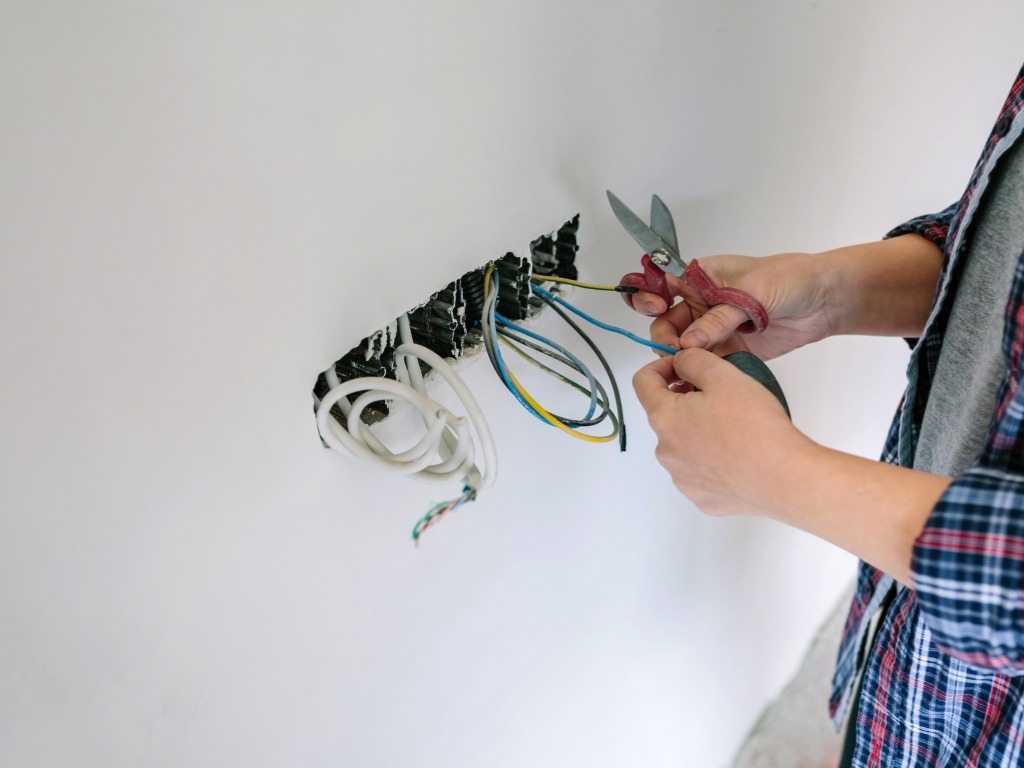
Some examples include knob-and-tube wiring, older aluminum branch-circuit wiring, and damaged or deteriorating wire insulation.
These materials should not automatically be considered defective based on age alone. Their condition, installation, connections, and compatibility with the existing electrical system matter.
A professional inspection can determine whether repairs, improvements, or replacement are necessary.
7. Your Electrical System Struggles With Modern Appliances
Older homes were often designed around fewer appliances and lower electrical demand.
Modern households may operate electric ranges, dryers, air conditioners, home offices, EV chargers, and multiple electronic devices simultaneously.
This can place additional demands on the existing electrical system.
Understanding how much electrical load a home can handle can help homeowners recognize why electrical capacity matters before adding high-powered appliances.
However, an insufficient electrical panel and deteriorating wiring are different problems. Both should be evaluated when recurring electrical issues appear.
How Old Does a House Have to Be Before Rewiring Is Needed?
There is no universal age at which every home automatically needs new wiring. The decision depends on the installation’s condition, wiring materials, previous electrical modifications, and household electrical requirements.
An older house that has received proper electrical maintenance may still have a serviceable electrical system.
On the other hand, a relatively newer property can have wiring problems caused by poor installation, physical damage, moisture, or improper modifications.
Homeowners purchasing an older property or planning a major renovation should consider a professional electrical inspection before making additional electrical changes.
Does Your Home Need Full or Partial Electrical Rewiring?
The amount of work required depends on how widespread the electrical problems are.
Partial electrical rewiring may be appropriate when damage or outdated wiring is limited to a specific room, circuit, or section of the property.
Whole-house rewiring may be necessary when outdated or unsafe wiring is present throughout the home or when several circuits require extensive replacement.
An electrician can examine the existing installation and explain whether localized repairs, circuit improvements, or more extensive replacement work are appropriate.
The recommended scope should be based on an inspection rather than assumptions about the home’s age.
What Happens During a Professional Electrical Wiring Inspection?
A professional inspection helps identify wiring problems that homeowners may not be able to see.
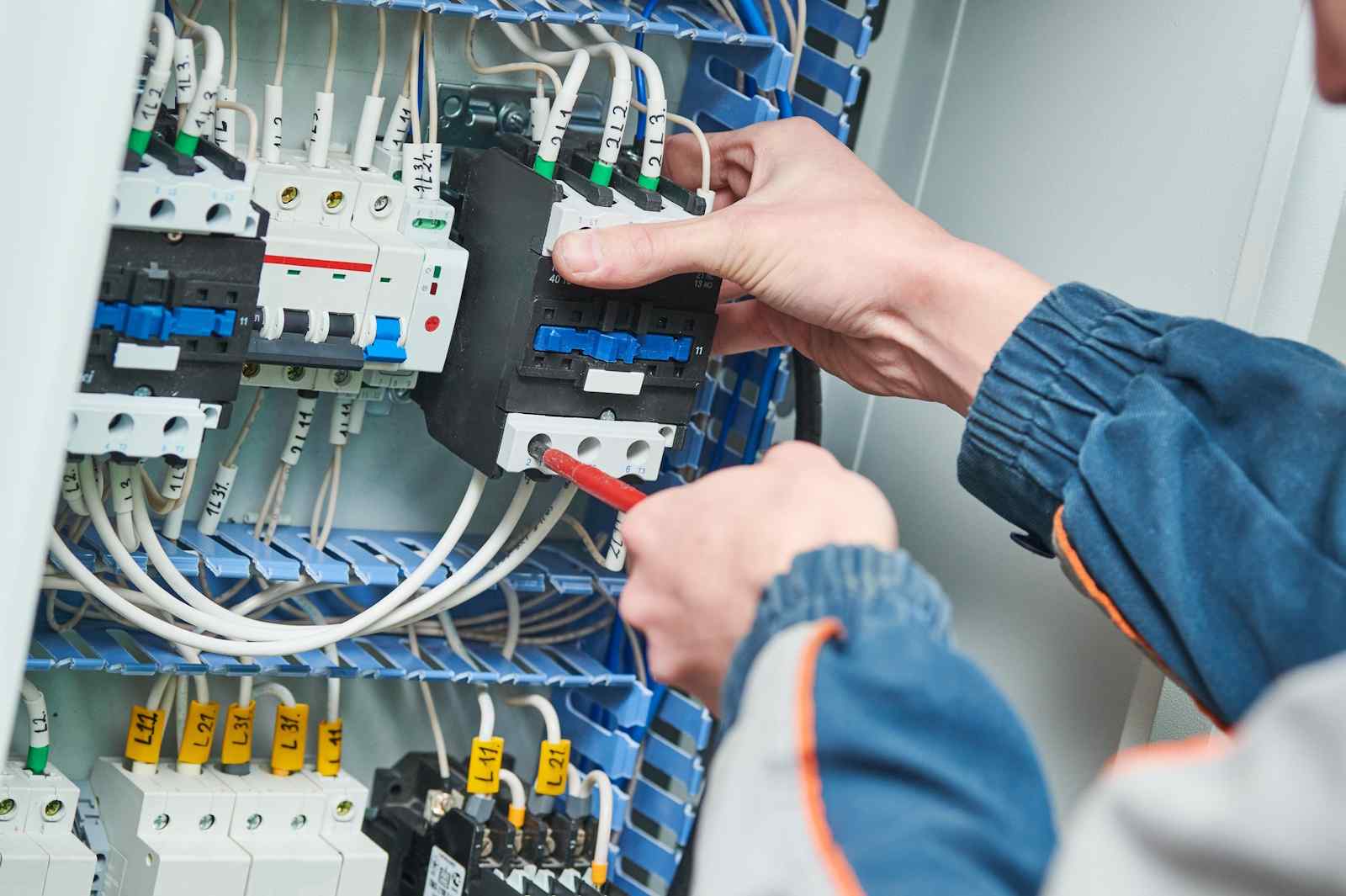
Depending on the property and reported symptoms, an electrician may:
- Examine accessible wiring and electrical connections.
- Inspect outlets and switches for visible damage.
- Evaluate the electrical panel and circuit protection.
- Check grounding and bonding conditions.
- Review previous electrical modifications.
- Identify circuits that may require repairs or replacement.
This process helps determine whether the property needs targeted electrical repairs or more extensive rewiring.
Dorn Electric provides electrical repair and wiring services for homes and small businesses throughout Southern California.
When Should Homeowners Contact an Electrician?
An electrical inspection is especially important when warning signs appear repeatedly or when multiple electrical problems affect the same area.
Homeowners should arrange prompt professional attention if they notice burning odors, hot outlets, visible wiring damage, sparks, unusual electrical sounds, or electrical shocks.
Avoid opening electrical panels, removing outlet covers, or handling exposed wiring to investigate the problem.
Professional troubleshooting helps identify the source of the issue and determine the safest repair approach.
Frequently Asked Questions
What are the most common signs your house needs rewiring?
Frequent breaker trips, warm outlets, burning smells, flickering lights, electrical shocks, and damaged wiring can indicate that professional inspection is necessary.
How do I know if my old house has outdated wiring?
Older wiring materials, two-prong outlets, missing grounding provisions, previous electrical modifications, and recurring electrical issues may indicate an outdated system. An electrician can evaluate its condition.
Can only one room in a house be rewired?
Yes. Partial rewiring may be appropriate when electrical problems are limited to a specific room or circuit and the remaining wiring is in suitable condition.
Does replacing an electrical panel mean the entire house needs rewiring?
No. Panel replacement and electrical rewiring are different projects. Whether either is necessary depends on the condition and capacity of the existing electrical system.
Should an older home receive an electrical inspection?
Yes. An inspection is worthwhile for older homes, recently purchased properties, and houses that have undergone major renovations or repeated electrical modifications.
Get Professional Electrical Wiring Services
Electrical wiring problems should never be ignored, especially when warning signs involve heat, burning odors, damaged insulation, or electrical shocks.
Identifying the source early helps homeowners understand whether a repair, partial rewiring project, or complete replacement is necessary.
Dorn Electric INC provides professional electrical troubleshooting, wiring improvements, and rewiring services throughout Southern California.
Homeowners can contact Dorn Electric to discuss their electrical concerns and request a professional evaluation.