A circuit breaker that trips once in a while is doing exactly what it’s designed to do: protecting your home from electrical hazards. But when a circuit breaker trips repeatedly, it’s signaling a problem that needs attention. Understanding why this happens can help you decide whether it’s a simple fix or a sign that you need to call a licensed electrician.
What a Circuit Breaker Actually Does
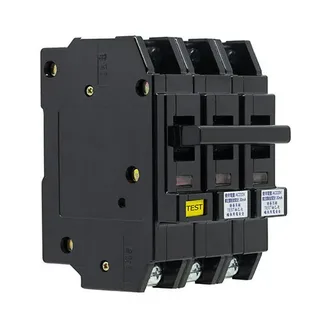
A circuit breaker is a safety device built into your home’s electrical panel. Its job is to monitor the flow of electricity through each circuit and automatically shut off power when it detects a problem, whether that’s too much current flowing through the wires, a short circuit, or a ground fault. Think of it as a guard that interrupts the electrical flow before wires overheat and potentially start a fire.
When a breaker trips, it moves to the “off” position, and you’ll need to reset it manually by flipping it back. If it trips once and stays on afterward, it was likely a one-time fluke. If it trips again soon after, something in the circuit is consistently triggering that protective response.
Common Reasons a Circuit Breaker Keeps Tripping
1. An Overloaded Circuit
This is the most frequent cause of repeated tripping. Every circuit is rated to handle a specific amount of electrical current, typically 15 or 20 amps for standard household circuits. When you plug in too many devices or appliances on the same circuit, especially high-draw items like space heaters, hair dryers, microwaves, or window air conditioners, the combined demand can exceed what the circuit can safely handle. The breaker trips to prevent the wiring from overheating.
An overloaded circuit is particularly common in older homes that weren’t designed for the number of electronics and appliances modern households use. If the tripping consistently happens when you turn on a specific appliance or have several devices running at once, an overload is likely the culprit.
2. A Short Circuit
A short circuit occurs when a “hot” wire touches a neutral wire or another hot wire, creating a sudden surge of current. This can happen because of damaged wire insulation, a loose connection, or a faulty appliance cord. Short circuits often cause breakers to trip immediately and forcefully, sometimes with a noticeable snap or a burning smell near an outlet. This is one of the more serious electrical faults because it can generate significant heat in a very short time.
3. A Ground Fault
A ground fault happens when a hot wire contacts a grounded surface, such as the metal side of an appliance or a grounded outlet box. This is especially common in areas exposed to moisture, like kitchens, bathrooms, and garages. Ground Fault Circuit Interrupter (GFCI) outlets and breakers are specifically designed to catch this type of fault quickly, since it poses a serious shock hazard.
4. A Faulty Appliance or Device
Sometimes the issue isn’t the circuit at all, but a specific appliance with damaged internal wiring or a failing component. If a circuit breaker keeps tripping only when one particular device is plugged in, unplug it and test the circuit without it. If the breaker stays on, the appliance itself is likely the problem and may need repair or replacement.
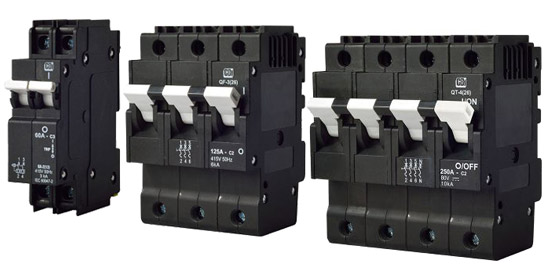
5. A Defective Circuit Breaker
Breakers don’t last forever. Over time, the internal mechanism can wear out, causing the breaker to trip even when there’s no actual electrical fault, or conversely, to fail to trip when it should. If you’ve ruled out overloaded circuits, short circuits, and faulty appliances, and the breaker still trips under normal, light loads, the breaker itself may need to be replaced.
6. Wiring Issues Within the Walls
Loose, corroded, or improperly installed wiring connections can create resistance that generates heat and trips breakers intermittently. This type of problem is harder to diagnose because it isn’t always tied to a specific appliance or moment of high demand. It may show up randomly and can worsen over time, making it one of the more concerning electrical faults to leave unaddressed.
How to Diagnose the Problem Safely
Before assuming the worst, you can do some basic troubleshooting:
Unplug everything on the affected circuit, then reset the breaker. If it stays on, plug devices back in one at a time to identify whether a specific appliance or a combination of devices is causing the overload.
Pay attention to when the tripping happens. Does it occur immediately when you flip the breaker back on, suggesting a short circuit, or only after the circuit has been under load for a while, pointing toward an overloaded circuit?
Check for visible signs of damage, such as discolored outlets, a burning smell, or a breaker that feels hot to the touch. These are signs that warrant immediate professional attention rather than a do-it-yourself fix.
When to Call a Licensed Electrician
While an overloaded circuit can sometimes be solved by redistributing your devices across different circuits or upgrading to a higher-capacity circuit, many of the other causes involve risks that aren’t safe to handle without proper training. Short circuits, ground faults, and wiring issues inside your walls all involve exposed or damaged components that can cause shock or fire if mishandled.
You should call a licensed electrician if the breaker trips immediately upon reset, if you notice burning smells or scorch marks, if multiple breakers are tripping across different circuits, or if the problem persists after you’ve addressed an obvious overload. An electrician can use specialized tools to test for faults that aren’t visible to the naked eye and ensure your panel and wiring meet current safety codes.
Preventing Future Trips
Once the underlying issue is resolved, a few habits can help prevent it from recurring. Spread high-wattage appliances across different circuits rather than running them all from the same outlet strip. Avoid daisy-chaining extension cords, which can mask wiring problems and add unnecessary load. Schedule periodic electrical inspections, especially in older homes, to catch corroded wiring or aging breakers before they become a bigger issue.
Final Thoughts
A circuit breaker that keeps tripping is rarely something to ignore. In many cases, it points to a straightforward overloaded circuit that can be fixed by adjusting how you distribute electrical demand. In other cases, it’s an early warning sign of short circuits, ground faults, or deteriorating wiring that pose genuine safety risks. When in doubt, especially if you notice burning smells, scorch marks, or breakers that won’t stay reset, it’s worth bringing in a licensed electrician to inspect your system and keep your home safe.