With Orange County’s high rate of electric vehicle adoption, it’s no surprise that home and workplace charging has become one of the most requested electrical upgrades across Irvine. Whether you’re topping off overnight in your Woodbury garage or outfitting a commercial parking lot near the Irvine Spectrum, professional EV charger installation Irvine CA services ensure your charging setup is safe, code-compliant, and built to handle daily use for years to come.
Why Professional Installation Matters
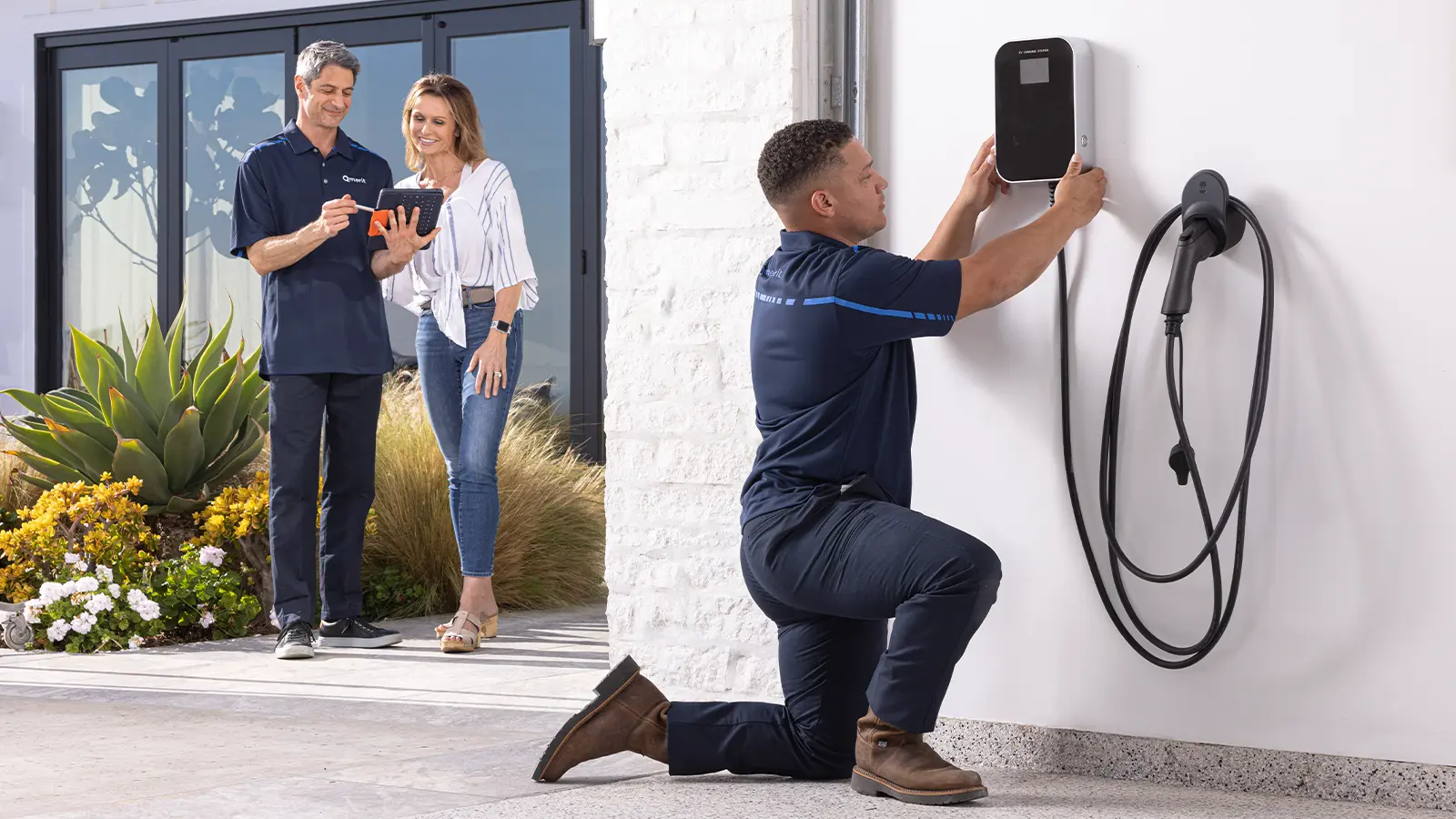
While it might be tempting to treat an EV charger install as a simple plug-and-go project, the reality involves careful electrical planning. A qualified EV charging station installer Irvine relies on to assess your home or business will evaluate your electrical panel’s existing capacity, determine the right charger type and circuit for your needs, and ensure everything meets current electrical code protecting both your equipment and your property.
Understanding Level 2 EV Charger Installation
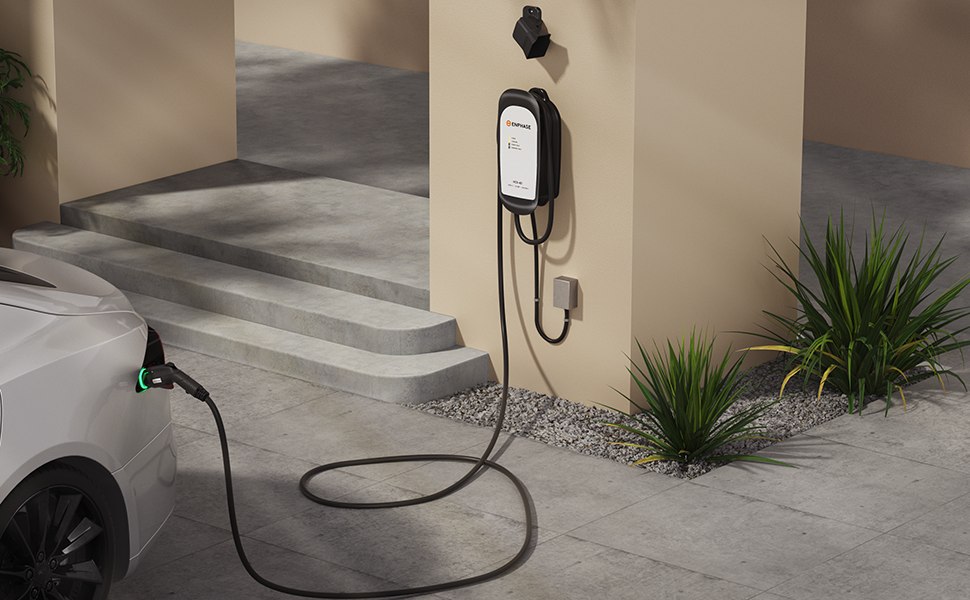
Most home and workplace charging setups rely on Level 2 EV charger installation, which delivers significantly faster charging than a standard household outlet. Level 2 chargers require a dedicated 240-volt circuit, similar to what larger appliances like electric dryers use, and can fully charge most EVs overnight a major upgrade over the many hours a standard outlet would require.
Home EV Charger Installation in Irvine
Home EV charger installation Irvine projects typically follow a straightforward process, though the specifics depend on your home’s electrical setup and garage layout.
Garage EV Charger Wiring
Garage EV charger wiring involves running a dedicated circuit from your electrical panel to the charging location, whether that’s a wall-mounted charger or a dedicated outlet for a portable unit. Distance from the panel, wall material, and garage layout all factor into the complexity and cost of this wiring work.
240V Outlet for EV Charger
Some homeowners opt for a 240V outlet for EV charger setup rather than a hardwired unit, using a portable Level 2 charger that plugs directly into the outlet. This approach offers flexibility, since the charger can be unplugged and taken along if you move, though hardwired installations are generally considered more streamlined and are required by some charger manufacturers for full warranty coverage.
NEMA 14-50 Outlet Installation
A NEMA 14-50 outlet installation is one of the most common choices for EV charging setups, since this outlet type supports the higher amperage most Level 2 chargers require and is compatible with a wide range of charger brands and models, offering flexibility if you switch vehicles or charging equipment down the road.
Tesla Charger Installation
Tesla charger installation Irvine projects, including Tesla wall connector installation, follow similar principles to other Level 2 setups but are specifically designed for Tesla vehicles, often offering faster charging speeds and smart features like scheduling and usage tracking through Tesla’s own app ecosystem. An electrician experienced with Tesla-specific installations can ensure your wall connector is properly configured to take full advantage of these features.
EV Charger Electrical Panel Requirements
Before installing any Level 2 charger, it’s essential to evaluate your EV charger electrical panel requirements. This involves an EV charger load calculation, which determines whether your existing panel has enough available capacity to safely support the additional circuit alongside your home’s other electrical demands. If your panel is already near capacity common in older homes or those with multiple major appliances a panel upgrade may be necessary before charger installation can proceed safely.
EV Charger Permits in Irvine
Most EV charger installations require an EV charger permit Irvine CA homeowners need to obtain through the city before work begins, ensuring the installation meets current electrical code. A licensed electrician typically manages this permitting process directly, including scheduling any required inspections once the work is complete.
Commercial and Multi-Family EV Charging Solutions
Commercial EV Charger Installation Orange County
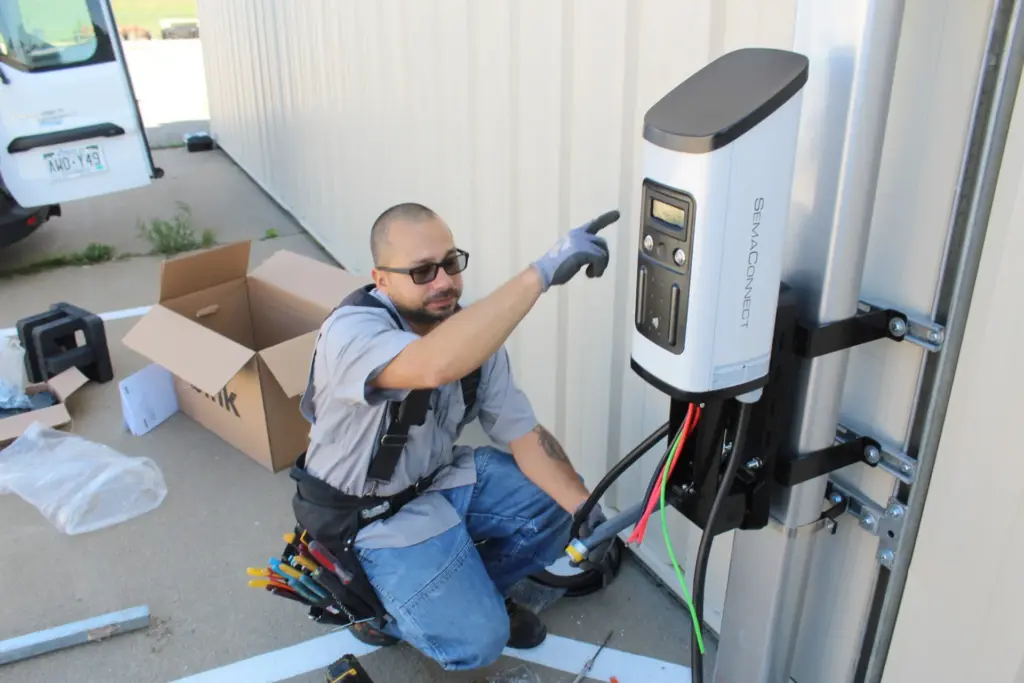
Commercial EV charger installation Orange County businesses invest in often serves multiple purposes, supporting company fleet vehicles, offering a valued employee benefit, or attracting environmentally conscious customers to retail and hospitality locations. These installations typically involve greater electrical capacity planning than residential projects, along with considerations for multiple simultaneous charging stations.
Workplace EV Charging Installation
Workplace EV charging installation has become an increasingly common amenity as more employees drive electric vehicles and expect charging access during the workday. Thoughtful planning around the number of stations, charging speed, and whether to offer free or paid charging helps businesses design a system that meets actual employee demand without overbuilding unnecessary capacity.
Multi-Family EV Charging Stations
Multi-family EV charging stations present unique challenges for apartment complexes and condominium developments, since these properties typically need to plan for shared electrical infrastructure, usage tracking or billing systems, and often a phased rollout as resident demand grows over time. Proper planning during initial installation can make it significantly easier to expand charging capacity later as EV adoption continues to increase.
Commercial EV Charging Solutions
Beyond simple installation, comprehensive commercial EV charging solutions often include network-connected charging stations that allow businesses to monitor usage, manage access, and in some cases, generate revenue through paid charging all factors worth discussing with your installer during the planning phase.
EV Charger Rebates in California
California has historically offered various EV charger rebates California programs, including utility company incentives and state-level programs designed to offset installation costs for both residential and commercial projects. Since these programs and their specific terms change over time, it’s worth checking directly with your utility provider and current state programs to understand what’s currently available before starting your installation.
Understanding EV Charger Installation Cost
EV charger installation cost Irvine projects depend on several factors:
- Distance between your electrical panel and the desired charging location
- Whether a panel upgrade is needed to support the additional load
- Charger type selected (Tesla wall connector versus universal Level 2 options)
- Permit fees required by the city
- Whether the installation is residential, commercial, or multi-family in scope
A trustworthy electrician will provide a clear, itemized estimate after assessing your specific electrical setup, rather than a generic flat rate that doesn’t account for your home or business’s unique layout.
EV Charger Installation Timeline
EV charger installation timeline expectations are generally straightforward for residential projects a standard home installation, once permitted, often takes just a few hours to a full day depending on wiring complexity. Commercial and multi-family installations typically take longer, given the greater electrical capacity planning and potentially multiple charging stations involved.
EV Charger Maintenance and Repair
Like any electrical equipment, EV chargers benefit from periodic attention. EV charger maintenance and repair services address issues like connector wear, software or firmware updates for networked units, and occasional troubleshooting if a charger stops communicating properly with a vehicle. Keeping the charging area clear of debris and moisture also helps maintain long-term reliability.
Choosing the Right EV Charger Installer
When searching for an EV charging station installer Irvine trusts for the job, look for:
- Experience with your specific charger brand or type
- Proper licensing and familiarity with Irvine’s permitting process
- A thorough electrical assessment, including load calculations, before installation begins
- Transparent, itemized estimates
- Positive reviews mentioning clean installations and reliable follow-up support
Final Thoughts
As EV adoption continues to grow across Irvine and Orange County, having reliable, properly installed charging access at home or work has become less of a luxury and more of an everyday necessity. Whether you’re installing a single home charger, outfitting a Tesla wall connector, or planning a multi-station commercial or multi-family charging solution, proper electrical planning and code-compliant installation ensure your charging setup performs safely and reliably for years to come. If you’re ready to install an EV charger in Irvine, reach out to a trusted local licensed electrician today for an assessment and a personalized estimate.
Frequently Asked Questions
Do I need a permit to install an EV charger in Irvine? Yes, most EV charger installations require a permit through the city to ensure the work meets current electrical code. A licensed electrician typically handles this process on your behalf.
Will I need a panel upgrade to install an EV charger? It depends on your home’s existing electrical capacity. An electrician will perform a load calculation to determine whether your panel can support the additional circuit or if an upgrade is needed first.
What’s the difference between a hardwired charger and a NEMA 14-50 outlet setup? A hardwired charger is permanently connected to your electrical system, while a NEMA 14-50 outlet allows you to plug in a portable Level 2 charger, offering more flexibility if you switch vehicles or move.
Are there rebates available for EV charger installation in California? California has historically offered various utility and state-level rebate programs, though availability and terms change over time. Check with your utility provider and current state programs for what’s currently offered.
How long does a home EV charger installation typically take? Once permitted, a standard residential installation often takes just a few hours to a full day, depending on the distance from your panel and any additional electrical work required.