Electricity is a home’s basic need. Everything from a hair dryer to a refrigerator depends on it, and understanding how much electrical load a home can handle is essential so you can plug in an appliance without tripping the circuit breaker. If you don’t take it seriously, it can cause excessive load and lead to a fire or damage to your home. So instead of leaving it to the engineers, in this guide by Dorn Electrical INC., we’ll explain electrical load calculation, home electrical capacity, circuit limits, and what homeowners should know before adding high-power appliances.
How Much Electrical Load Can a Home Handle?
The answer depends on your home’s electrical service, panel, wiring, and individual circuits. A home with a 100-amp service has a different home electrical load capacity from one with a 200-amp service.
A simple way to understand electrical capacity is:
Watts = Volts × Amps
A 120-volt, 15-amp circuit has a theoretical capacity of 1,800 watts, while a 20-amp circuit has a theoretical capacity of 2,400 watts.
(These figures should not be treated as the amount of power you can continuously use without consideration for safety and applicable electrical codes)
Your electrical panel capacity is also different from the capacity of an individual circuit. The panel distributes electricity to multiple circuits, while each circuit has its own limit. Understanding both is important when looking at your home’s overall electrical system capacity and household electrical demand.
How to Calculate Electrical Load in Your Home
If you’re wondering how to calculate electrical load, start by listing the major appliances in your home and checking their wattage or amperage ratings. Include your refrigerator, oven, dryer, water heater, air conditioner, dishwasher, microwave, lighting, and other major equipment.
For example, a 1,500-watt appliance operating at 120 volts draws approximately 12.5 amps:
1,500 ÷ 120 = 12.5 amps
This basic calculation is useful for understanding individual loads, but an electrical load calculation for a house is more detailed. A professional electrical demand calculation considers how appliances operate and which loads are likely to run at the same time. The total home power consumption isn’t simply the combined maximum wattage of every appliance in your house. A proper electrical load assessment considers expected usage and the capacity of the existing electrical system.
Understanding Your Panel and Circuit Capacity
The amperage capacity of an electrical panel tells you how much current the main panel is designed to handle, but having spare breaker spaces doesn’t automatically mean you have spare electrical capacity. Individual circuits have their own electrical circuit capacity. Connecting too many high-demand appliances to one circuit can cause the breaker to trip even when the main panel has available capacity. This matters when considering adding new appliances’ electrical capacity.
Warning Signs of an Overloaded Electrical System
An overloaded electrical panel or circuit can sometimes provide warning signs before a serious problem occurs. Common circuit overload warning signs include:
- Breakers that trip repeatedly
- Lights that flicker or dim when appliances start
- Warm or discolored outlets
- Buzzing or crackling sounds
- A burning smell around outlets or the panel
- Frequent use of extension cords for major appliances
These symptoms don’t always mean the same problem is present, so a home electrical inspection can help identify the actual cause for electrical panel safety.
Adding High-Power Appliances to Your Home
Today’s homes often have appliances that put a greater demand on the electrical system. Electric ranges, dryers, heat pumps, hot tubs, central air conditioners, and EV chargers can all require significant amounts of electricity, especially when several are running at the same time.
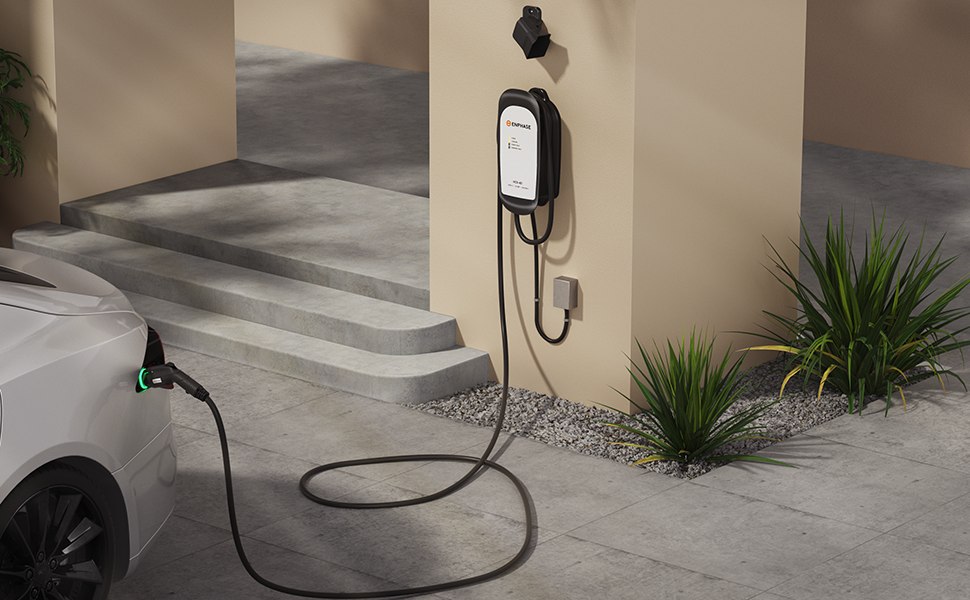
Check the EV Charger Load
The EV charger electrical load is worth checking before installation. Depending on the charger and vehicle, charging can draw substantial power for several hours. This needs to be considered alongside your home’s existing electrical demand rather than looking at the charger on its own.
Know Your Appliance Requirements
Other high-demand equipment can also have specific high-power electrical requirements. Before installation, check the appliance’s voltage, amperage, and circuit requirements. This helps determine whether the existing circuit can handle it or whether a new dedicated circuit is needed.
When You May Need an Upgrade
An electrician’s electrical load assessment can determine whether your existing service and panel can handle the additional demand. Depending on the results, you may need a dedicated circuit, a load-management solution, or an electrical panel upgrade. Sometimes the existing panel has enough capacity and only a new circuit is needed. In other cases, upgrading electrical service may be necessary to support the home’s current and future electrical demand. A proper assessment is required here.
Conclusion
Understanding how much electrical load a home can handle helps you use appliances safely and avoid unnecessary electrical problems. Before adding an EV charger or other high-power appliance, have the system assessed to determine whether you need a new circuit, electrical panel upgrade, or additional service capacity. Dorn Electrical INC provides professional services and assistance.
FREQUENTLY ASKED QUESTIONS:
1. How much electrical load can a home handle?
It depends on the home’s electrical service, panel, wiring, and individual circuit capacity.
2. How do you calculate electrical load?
Multiply voltage by amperage to estimate the electrical load of an appliance or circuit.
3. What are signs of an overloaded electrical panel?
Frequent breaker trips, flickering lights, warm outlets, buzzing sounds, or burning smells can indicate an overload.
4. Do high-power appliances need dedicated circuits?
Many high-power appliances, including EV chargers, dryers, and electric ranges, may require dedicated circuits.
5. When should I get an electrical load assessment?
Consider an assessment before adding major appliances, upgrading your electrical system, or when breakers trip repeatedly.