Bringing home a new electric vehicle is an exciting milestone, but that momentum often slows when figuring out how to power it at home. The most common question property owners ask is: do you need an electrical panel upgrade for an EV charger? The short answer is that it depends entirely on your current electrical infrastructure, as not every home requires a massive overhaul for fast charging. With over 25 years of hands-on experience, Dorn Electric INC helps property owners navigate these exact capacity challenges, ensuring you understand your home’s baseline power capabilities before making an expensive decision.
What Are the Electrical Requirements for a Level 2 EV Charger?
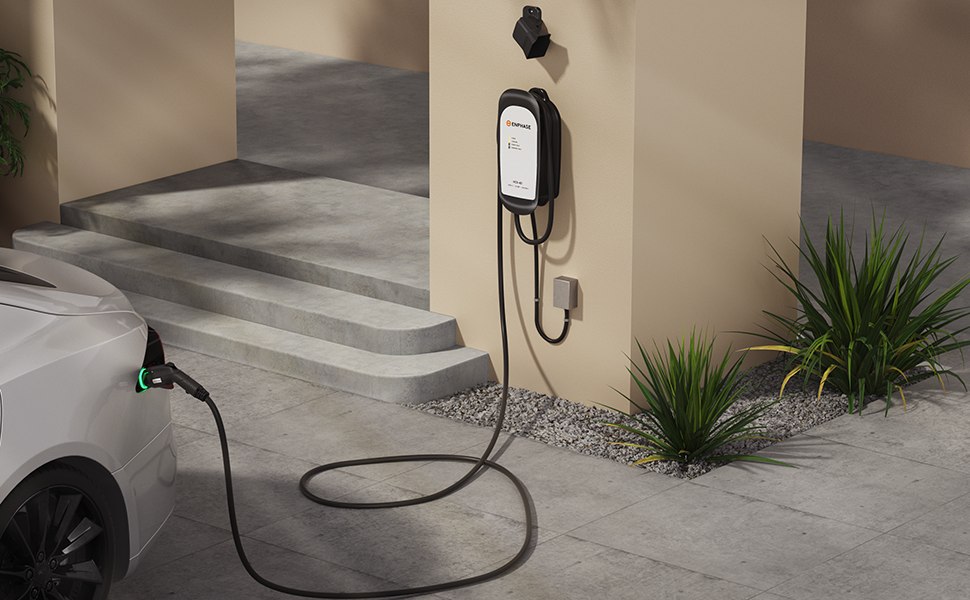
Plugging an electric vehicle into a standard wall outlet (Level 1) provides only a few miles of range per hour. Most drivers prefer a Level 2 setup, which fully charges a vehicle overnight. Meeting basic EV charger electrical requirements involves adding a high-capacity power source to the home.
- Voltage: A Level 2 charger requires a 240-volt connection, similar to an electric clothes dryer or oven.
- Amperage: Most residential chargers draw between 32 and 48 amps of power.
- Circuitry: Installation requires a dedicated 240v circuit breaker directly in the main electrical panel.
Safety is the top priority when adding heavy, continuous loads to a residential system. Electricians must follow the NEC 80 percent continuous load rule during installation. This National Electrical Code standard mandates that an EV charger can only use 80% of the circuit’s total capacity.
For example, a 48-amp charger requires a 60-amp dedicated circuit breaker to operate safely without overheating.
How to Determine If Your Home Can Handle an EV Charger
Guessing electrical capacity often leads to tripped breakers or dangerous fire hazards. A professional assessment is the only way to guarantee a safe charging environment.
Here are the three primary steps used to evaluate residential electrical systems.
Step 1: Check Your Main Breaker Amperage
The main breaker switch typically indicates the total power supplied to the property.
- Older homes often operate on 100-amp or 125-amp service.
- Modern construction usually features a 200-amp service panel.
Property owners with a 200-amp panel generally have enough capacity for an EV charger without a major upgrade.
Step 2: Evaluate Physical Space in Your Panel
A Level 2 charger requires a double-pole breaker to deliver 240 volts of electricity. This means there must be two adjacent, unused slots available in the breaker box. If the panel is completely full of existing breakers, additional physical space must be created.
Step 3: Assess Your Home’s Existing Appliance Load
Available physical slots do not automatically equal available electrical power. A licensed professional must perform an electrical load calculation for EV charger compatibility. This calculation evaluates the total power draw of the home’s major appliances.
- Central air conditioning units
- Electric heat pumps or furnaces
- Electric water heaters and stoves
- Pool pumps and hot tubs
If these appliances consume most of the available power, adding an EV charger will overload the system.
4 Clear Signs You Need a Panel Upgrade Before Installing Your Charger
Safety regulations prevent the installation of high-draw chargers on inadequate systems. A full 200-amp panel upgrade for EV charger integration is usually required if the following conditions exist.
- Undersized Service: The home operates on a 60-amp or 100-amp electrical service while running heavy appliances.
- No Available Space: The breaker box is full, and tandem breakers cannot safely resolve the space issue.
- Outdated Hardware: The property has obsolete, unsafe panels (such as Federal Pacific or Zinsco brands) that pose known fire risks.
- System Instability: The home already experiences flickering lights or frequently tripped breakers during normal appliance use.
Can You Avoid an Upgrade? (Smart Workarounds)
Upgrading an electrical panel is an excellent long-term investment for property value. However, some homeowners prefer alternative solutions to bypass the immediate expense of a main panel replacement.
Smart EV Load Management Systems
Technology offers a safe bridge for homes with limited electrical capacity. Installing an EV energy management system smart splitter allows the charger to share a circuit with another heavy appliance.
- The system monitors total power consumption in real time.
- If the shared appliance (like a dryer) turns on, it temporarily pauses the EV charging session.
- Charging resumes automatically once the appliance turns off.
Adjusting Charger Amperage Settings
Many modern chargers feature adjustable power output settings. Instead of drawing the maximum 48 amps, a licensed electrician in Southern California can hardwire the unit to draw only 16 or 24 amps.
This lower draw still provides a reliable overnight charge without triggering a mandatory panel upgrade.
Installing a Subpanel
If the main panel has enough overall power capacity but lacks physical space, a subpanel is a cost-effective solution. The electrician relocates a few smaller circuits to the subpanel, freeing up space for the dedicated 240V EV breaker in the main box.
How Much Does an EV Charger & Panel Upgrade Cost in Southern California?
Budgeting for an electric vehicle means planning for the home charging infrastructure. The total level 2 home charger installation cost varies based on the scope of the required electrical work.
- Standard Installation: Adding a charger to a capable, modern panel generally requires less labor and materials.
- Subpanels or Smart Splitters: Utilizing a load management device or subpanel adds moderate equipment costs to the base installation.
- Full Service Upgrade: Completely replacing the main box with a 200-amp panel requires permits, utility coordination, and extensive rewiring.
Dorn Electric INC provides transparent, competitive pricing tailored to local property needs. Whether you need a simple EV charger installation in Irvine, CA, or a complex electrical panel upgrade in Corona, CA, professional execution guarantees long-term safety.
Frequently Asked Questions
Can a 100 amp panel handle a level 2 charger?
Yes, but only under specific conditions. If the home utilizes gas appliances for heating, cooking, and water, there may be enough capacity. If the home relies heavily on electric appliances, an upgrade or a smart load management system is necessary.
What happens if I plug a Level 2 charger into an overloaded panel?
An overloaded panel will constantly trip the main breaker, shutting off power to the entire house. More importantly, pushing a panel beyond its limits causes wire insulation to melt, creating a severe electrical fire hazard.
Do I need a permit for EV charger installation in Southern California?
Yes. Local municipalities require permits for heavy electrical alterations to ensure strict code compliance. Hiring a professional electrician in Anaheim, a certified electrician in Murrieta, or a qualified electrician in Lake Forest ensures all paperwork, load calculations, and municipal inspections are handled correctly.
How long does an electrical panel upgrade take?
A main service panel replacement generally takes between 4 and 8 hours to complete. Your contractor coordinates with the local power utility to safely disconnect power, upgrade the hardware, and finalize your EV charger installation in Irvine, CA within a single day.
Does upgrading your electrical panel for an EV charger increase home value?
Yes. Modernizing your panel to 200-amp service increases overall home capacity, enhances safety, and future-proofs the property for modern energy demands. Prospective buyers strongly value turn-key EV infrastructure and updated electrical systems when shopping for homes.
A reliable home charging setup protects your vehicle, your property, and your peace of mind. Never compromise on electrical safety when upgrading your home infrastructure. Trust the proven expertise of Dorn Electric INC for all your residential power needs.