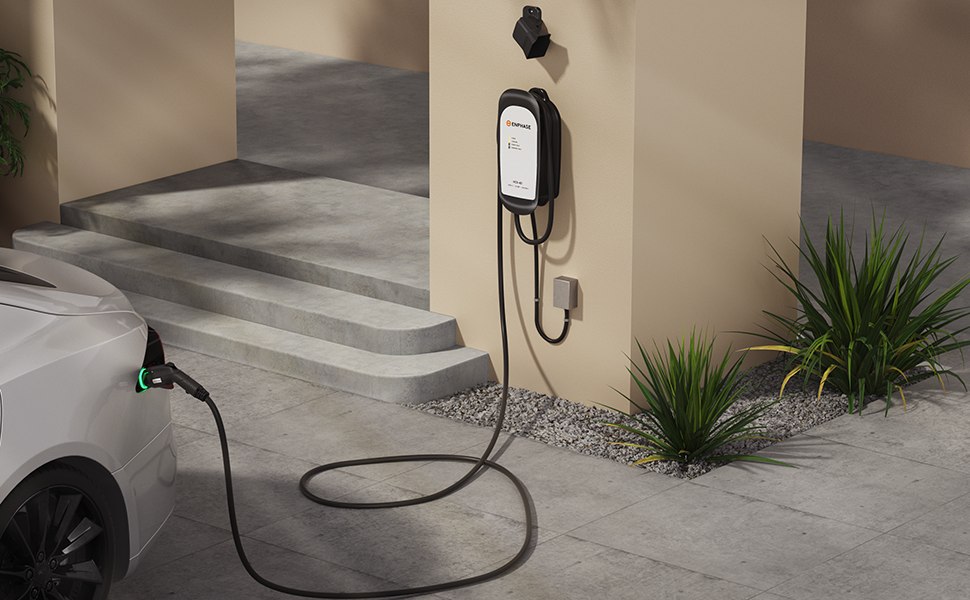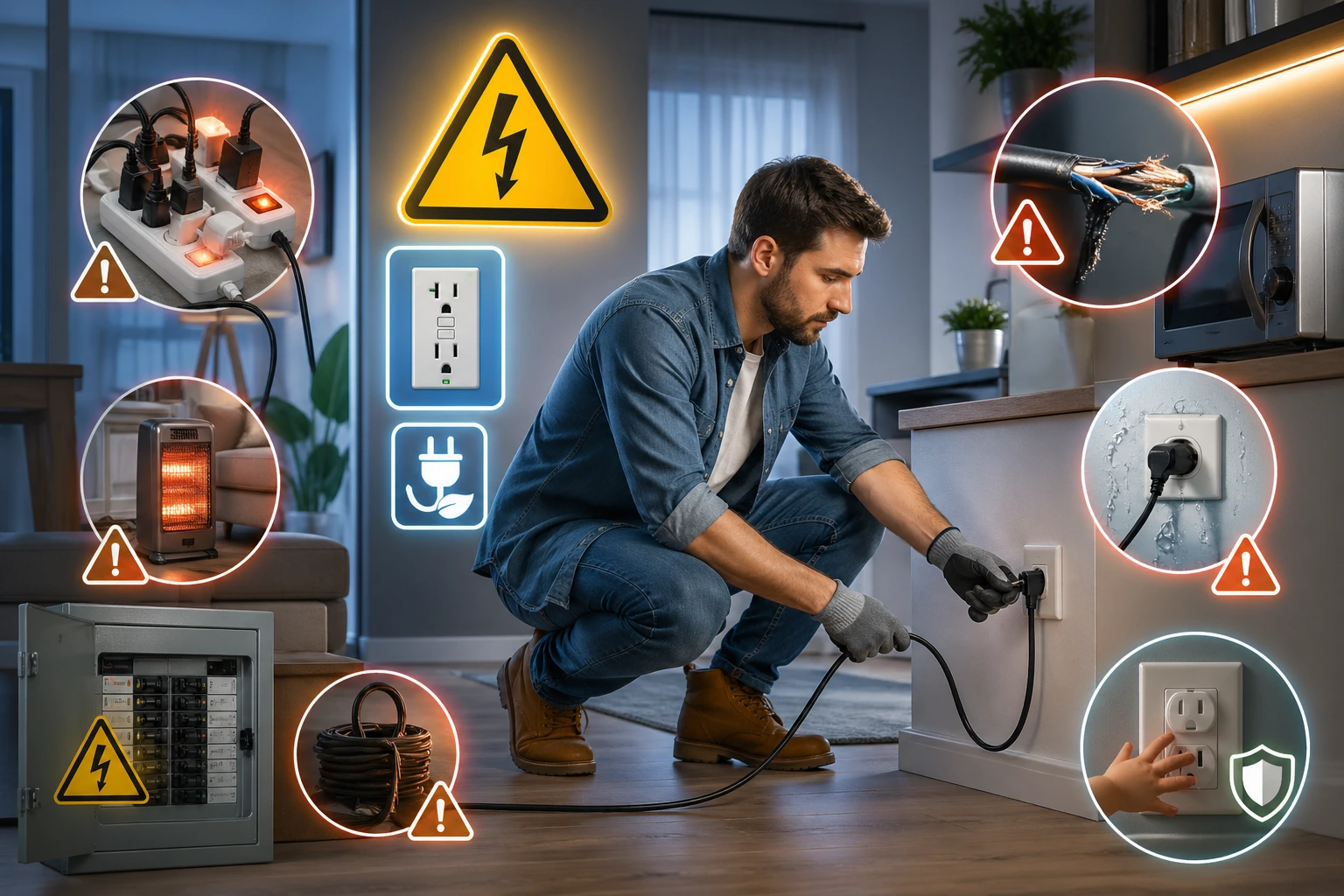
The 10 electrical safety tips to prevent electrical hazards include avoiding overloaded circuits, keeping cords tidy and equipment away from water, unplugging unused appliances, and getting frayed wires or damaged appliances repaired immediately. Use the correct wattage in your electrical fixtures. Make sure the appliances’ vents are unblocked to prevent overheating. Childproof outlets, install warning signs, and watch out for power lines to stay safe. Whether you want an electrical contractor for panel upgrades or EV charging installations, Dorn Electric INC is a reliable name in Southern California, ensuring the highest quality and safety standards.
Shockingly Simple: Electrical Safety Rules For a Secure Environment
The Electrical Safety Foundation International reports more than 400 electrocutions every year. The National Safety Council indicates that electrical hazards cause at least one workplace fatality every day.
More than 25% of consumers don’t know that GFCIs can help prevent electrocution. If you are experiencing frequent circuit breaker trips and flickering lights and are searching for an electrical contractor near me, explore our guide below to minimize risks and ensure a stable living environment.
| According to the Electrical Safety Foundation, more than 50,000 electrical fires occur in the US every year, meaning one fire every ten minutes, resulting in roughly 400 deaths, 1330 injuries, and around $1.5 billion in property damage. |
Here is your guide to understanding the 10 electrical safety rules.
Avoid Overloading Circuits
The National Fire Protection Association NFPA) recommends that major appliances like refrigerators and ovens should be plugged directly into the wall outlet, and extension cords and plug steps should not be used.
Keep Cords Tidy
Trailing cords and cables can be a trip hazard. Arrange the cords safely and keep them away from pets and children. Avoid overstretching to prevent any damage.
Keep Equipment Away From Water
Make sure all electrical equipment is away from water to prevent risks of shocks or electrocution. Install GFCIs in moisture-prone environments like kitchens, bathrooms, and laundry rooms.
Adherence to safety regulations is often a legal requirement; strict compliance with standards like OSHA helps maintain a safe working and living environment and protects organizations from hefty fines and legal liabilities.
Unplug Unused Appliances
Make sure to unplug electrical appliances safely when not in use to prevent them from consuming any electricity and protect them from power surges. Always pull directly on the plug head to avoid breaking the connection between the plug and the wire.
| The total economic losses due to electrical hazards are estimated to exceed $400 billion annually. |
Get Frayed Wires Repaired Immediately
If you notice any burn marks or frayed wires, get them repaired immediately to minimize the risk of appliance damage, electrocution, or fire hazards.
Use Correct Wattage In Electrical Fixtures
Make sure you use the correct wattage for electrical fixtures to prevent the risks of fires. Install LED bulbs for safety and energy efficiency.
Keep the Appliances Vents Unblocked
Make sure the appliances’ vents are unblocked to prevent overheating. Ensure proper air circulation around appliances to prevent fire hazards.
Childproof Outlets
If there are kids in the house, install outlet covers to ensure their safety and reduce the risk of electrocution.
Install Warning Signs
Install visible and durable electrical safety warning signs at eye level (at least 5-6 feet high) near potential hazards like electrical panels, transformers, and high voltage areas.
Watch Out For Power Lines
Power lines are live and dangerous. Always watch out for overhead lines when working at heights. Keep your tools, equipment, and yourself at least 3 meters ( 10 feet) away to prevent shocks, as electricity can jump.
Carry ladders horizontally and stay at least 335 feet away from downed power lines.
| Common Electrical Hazards in Homes ->Outdated wiring ->Arc flash and arc blast ->Overloaded circuits ->Burned or damaged outlets ->Misuse of Extension wires ->Defective/ aging appliances ->Space heater misuse ->Loose connections ->Improper light fixtures and outlets ->Lack of grounding/GFCI protection |
Conclusion
The National Electrical Safety Month, in May, is celebrated once each year, but we are exposed to electricity risks each day and need to be careful. Spearheaded by the Electrical Safety Foundation International (ESFI), it aims at rising awareness about electrical safety hazards and promote education on safer electrical practices. Adhering to safety guidelines saves lives and avoids hazardous environments. Always hire a licensed and experienced electrical contractor to ensure safety and compliance in electrical works and installations.
FAQs
What are the warning signs of electrical fires?
Be on the lookout for frequent circuit breaker trips, flickering lights, burning smells, buzzing noises, scorched outlets, and sparking when plugging in appliances.
How often should I get my electrical system checked?
If you live in an old home, get your electrical system checked periodically (every 3-6months) by a qualified electrician.
What to do if I notice burning smells near my appliances?
Immediately switch off the appliance and remove the plug from the outlet. Have it inspected and repaired by a qualified electrician.