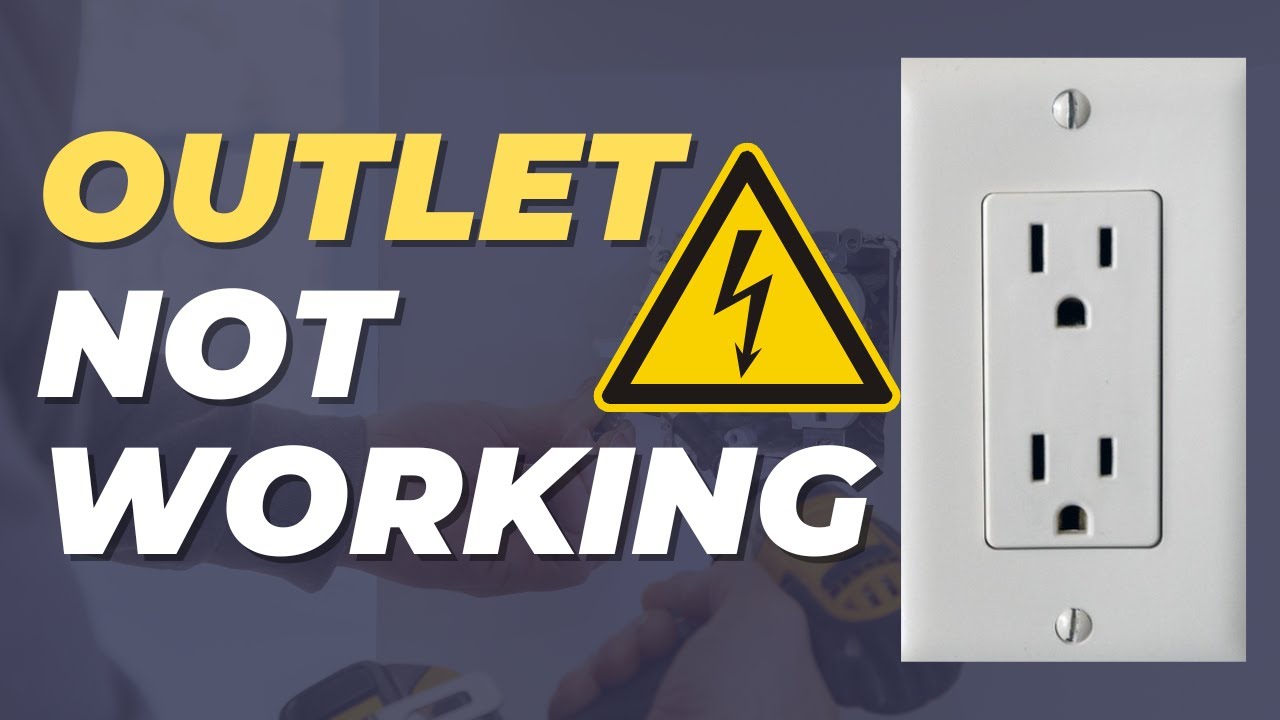
Few electrical problems are more confusing than discovering an outlet has suddenly stopped working while the circuit breaker appears completely normal.
An outlet not working but the breaker not tripped situation does not necessarily mean the electrical panel has failed. The problem could involve a GFCI outlet elsewhere in the home, a worn receptacle, a loose electrical connection, or an issue with the circuit itself.
Understanding the possible causes helps homeowners recognize what may be happening and when professional electrical troubleshooting is necessary.
Why Is an Outlet Not Working When the Breaker Is Not Tripped?
An electrical outlet receives power through wiring connected to the home’s electrical panel. If something interrupts the power supply along that path, the receptacle may stop working even when the circuit breaker does not appear to be tripped.
Here are seven possible explanations.
1. A GFCI Outlet Has Tripped Somewhere Else
One common reason for a dead outlet is a tripped Ground Fault Circuit Interrupter (GFCI).
GFCI outlets are designed to interrupt electrical power when they detect certain ground-fault conditions, helping protect people against electrical shock.
A single GFCI receptacle may also protect other outlets connected downstream on the same circuit.
For example, a GFCI outlet in a garage or bathroom could interrupt power to another receptacle even if that second outlet does not have TEST and RESET buttons.
Common locations for GFCI protection include:
- Bathrooms.
- Kitchens.
- Garages.
- Basements.
- Laundry areas.
- Outdoor outlets.
If an accessible GFCI outlet is dry and appears undamaged, its RESET button can be checked according to the manufacturer’s instructions.
If it will not reset or immediately trips again, stop attempting to reset it and arrange professional troubleshooting.
2. The Outlet Is Controlled by a Wall Switch
Some homes have switched electrical receptacles, particularly in living rooms and bedrooms.
These outlets are designed to operate through a nearby wall switch, often to control a lamp or another lighting device.
When the switch is turned off, the controlled portion of the receptacle may appear to have lost power.
Before assuming the outlet has failed, check whether a nearby wall switch normally controls it.
If the receptacle remains nonfunctional, an electrician can inspect the circuit and connections.
3. The Electrical Outlet Has Failed
Electrical receptacles experience repeated use, and their internal components can deteriorate over time.
A worn or damaged receptacle may stop delivering reliable power even when the circuit itself is functioning.
Common warning signs include:
- Plugs that feel loose when inserted.
- An outlet that no longer holds plugs securely.
- Discoloration around the receptacle.
- Visible cracks or physical damage.
- Intermittent power.
A damaged outlet should not be forced to work by bending plug blades or adjusting its components.
A qualified electrician can determine whether the receptacle needs replacement or whether the wiring behind it is also affected.
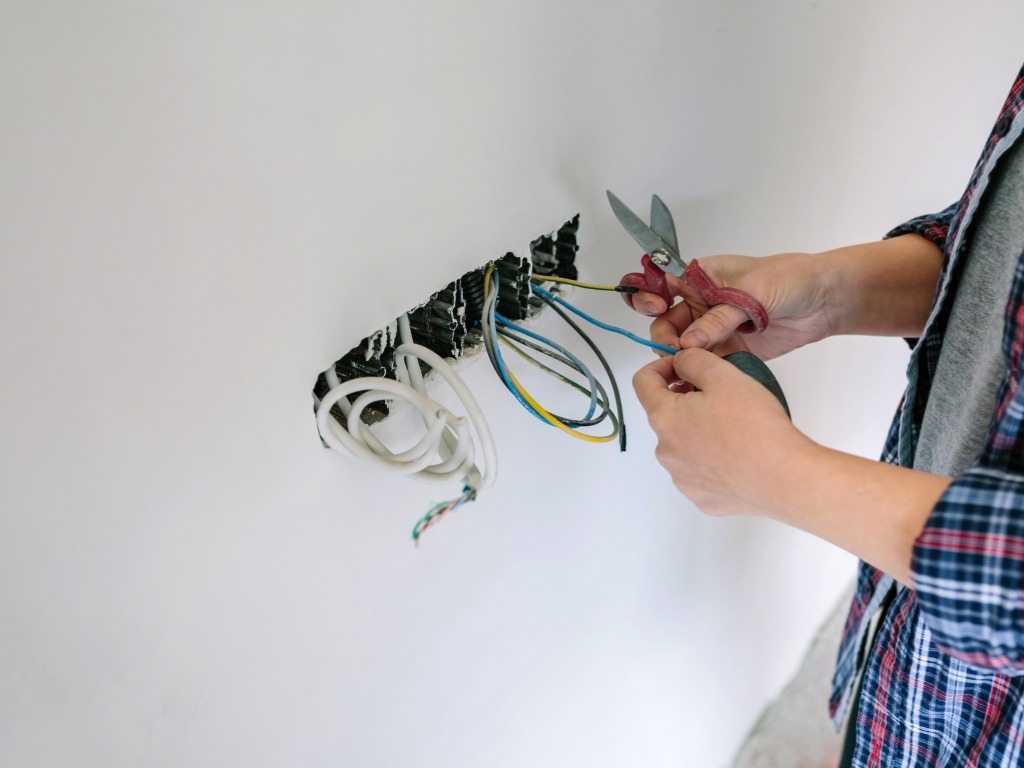
4. A Loose Electrical Connection Has Interrupted Power
Electrical outlets may be connected along a shared circuit. A loose or damaged connection at one point can interrupt power to another outlet farther along the circuit.
This can explain why several outlets stop working even though the breaker appears normal.
Possible causes include:
- Loose wire connections.
- Deteriorated electrical terminals.
- Improper previous electrical modifications.
- Damaged conductors.
- Faulty connections inside electrical boxes.
Loose connections can generate heat and increase electrical fire risks.
Because these problems may be hidden inside walls or outlet boxes, they should be inspected and repaired by a qualified electrician.
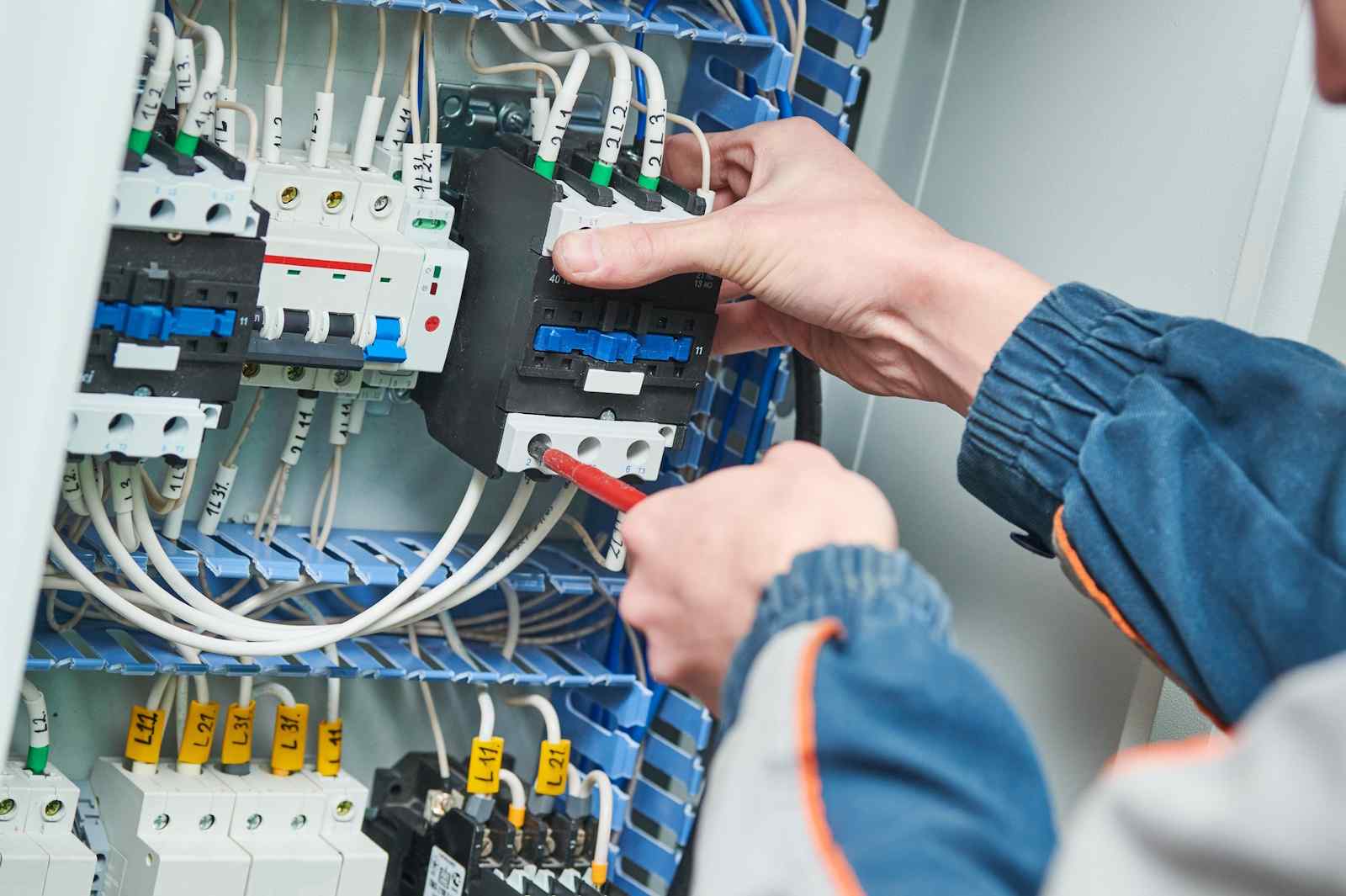
5. An AFCI or GFCI Circuit Breaker Has Tripped
Not all electrical protection devices are standard circuit breakers.
Some modern electrical panels contain Arc Fault Circuit Interrupters (AFCIs) or combination AFCI and GFCI breakers.
These protective devices can interrupt power when they detect an electrical condition that requires protection.
A tripped handle may not always be immediately obvious from a quick glance at the panel.
Homeowners should only observe the breaker handles from outside the panel. They should never remove the electrical panel cover or touch internal components.
An electrician can check the protective device and determine whether the interruption is caused by a fault, a defective breaker, or another electrical problem.
6. Damaged Wiring Has Interrupted the Circuit
Damaged electrical wiring can interrupt the flow of electricity to one or multiple outlets.
Potential causes include deteriorated insulation, accidental damage during renovations, moisture exposure, or improper electrical modifications.
The symptoms may appear as a single dead outlet or several outlets losing power simultaneously.
If other electrical problems are occurring alongside the dead outlet, the affected circuit should be evaluated rather than assuming the receptacle itself is responsible.
7. There Is a More Serious Electrical Panel or Circuit Problem
Although a faulty outlet is often the immediate concern, problems can sometimes originate farther upstream in the electrical system.
A damaged breaker, loose electrical connection, or other circuit fault may interrupt power to the affected receptacle.
This becomes particularly important when multiple electrical areas stop working, or other warning signs appear.
For more information about electrical system problems, homeowners can read our guide on signs you need an electrical panel upgrade.
A professional inspection can determine whether the problem involves the panel, wiring, protective devices, or individual outlets.
What Can Homeowners Safely Check Before Calling an Electrician?
Homeowners can make a few basic observations without opening outlets or handling electrical wiring.
Check the Appliance
A faulty lamp, charger, or household device may be responsible rather than the outlet itself.
A device can be tested at a known-working receptacle if it is undamaged and safe to use.
Check Nearby Wall Switches
Determine whether a nearby wall switch normally controls the affected outlet.
Look for Accessible GFCI Outlets
Check accessible GFCI devices in bathrooms, kitchens, garages, and outdoor areas.
Only consider using the RESET button when the device is dry and undamaged. Stop if it will not reset or trips again.
Observe the Circuit Breaker
Look for a visibly tripped breaker without removing the panel cover.
Do not repeatedly reset a breaker that trips again. A recurring trip needs professional diagnosis.
These observations can help an electrician understand the problem more efficiently.
When Is a Non-Working Outlet an Electrical Safety Concern?
A dead outlet is not always an emergency, but certain symptoms indicate a potentially dangerous electrical condition.
Stop using the affected outlet and arrange prompt professional attention if you notice:
- Burning odors.
- Hot outlet covers or switches.
- Black or brown discoloration.
- Buzzing or crackling sounds.
- Sparks or visible electrical arcing.
- Electrical shocks or tingling sensations.
- Repeated protective-device trips.
Do not plug additional devices into a damaged outlet or attempt to remove its cover.
If smoke or fire develops, leave the property and call emergency services.
How Does an Electrician Diagnose a Dead Electrical Outlet?
Professional troubleshooting involves examining the entire electrical path rather than automatically replacing the receptacle.
An electrician may:
- Identify which outlets and electrical devices have lost power.
- Check the relevant circuit protection.
- Inspect accessible GFCI outlets and breakers.
- Examine the affected receptacle and related wiring.
- Test the circuit to identify interruptions or faulty connections.
- Recommend the appropriate repair or replacement.
This process helps distinguish a defective receptacle from a wiring problem or an issue elsewhere in the electrical system.
Dorn Electric provides electrical repair and troubleshooting services for residential and commercial properties.
The company also handles electrical outlet installation and repair, including standard, GFCI, USB, and smart outlets.
Frequently Asked Questions
1. Why is one electrical outlet not working while the others are fine?
The affected receptacle may have a failed internal component, a loose connection, a switched circuit, or an interruption caused by an upstream GFCI.
2. Can a GFCI outlet turn off other outlets?
Yes. A GFCI receptacle can protect other downstream outlets on the same circuit. When it trips, those connected outlets may also lose power.
3. Should I replace an electrical outlet that has stopped working?
Not automatically. The problem may involve wiring, GFCI protection, a circuit breaker, or another connection. An electrician should identify the underlying cause before recommending replacement.
4. Why are several outlets in one room not working?
Several non-working outlets may share a circuit affected by a tripped GFCI, a breaker interruption, a failed connection, or damaged wiring.
5. When should I call an electrician for a dead outlet?
Call an electrician when basic external checks do not resolve the issue or when the outlet shows heat, discoloration, buzzing, sparks, burning odors, or other signs of electrical damage.
Get Professional Electrical Outlet Repair
An outlet that stops working while the breaker appears normal can have several possible causes. Identifying the actual problem is important because replacing a receptacle alone will not correct a loose connection, failed protective device, or damaged circuit.
Dorn Electric INC offers professional outlet installation, electrical repairs, wiring improvements, and troubleshooting throughout Southern California.
Whether a homeowner is dealing with a single dead receptacle or multiple outlets losing power, professional troubleshooting can help identify the cause and determine the appropriate repair.
Contact Dorn Electric to discuss electrical outlet problems and request professional assistance.